
The material
Cellulose acetate, and why it behaves the way it does
Acetate is a plant-derived thermoplastic, supplied as sheet. Almost everything a buyer notices traces back to that sheet.
Where it comes from
Cellulose acetate, not petroleum plastic
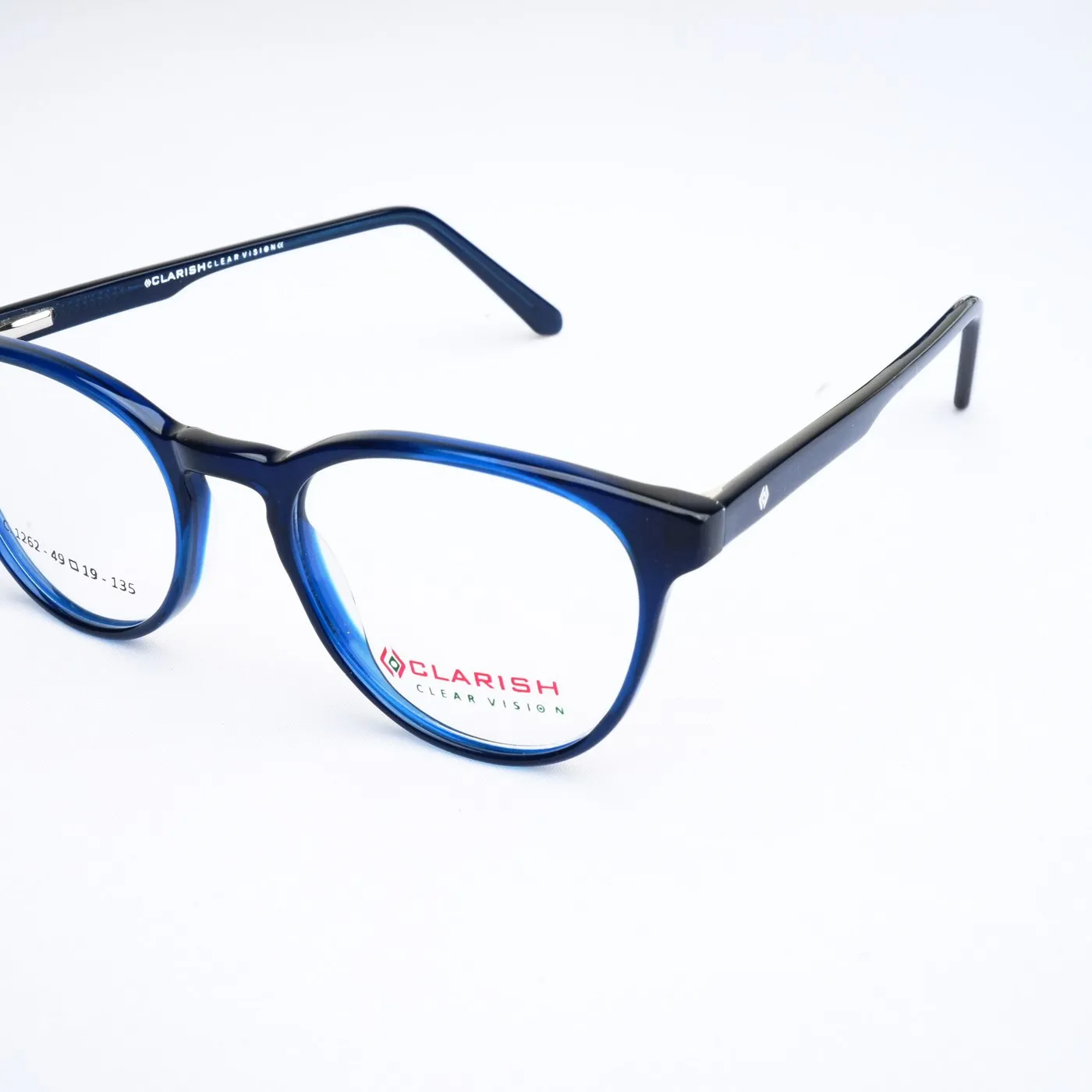
Cellulose acetate begins as purified plant fibre — wood pulp or cotton — treated with acetic acid, then pigmented, pressed into sheet and machined.
Pressed sheet has to rest before it can be cut.
Unlike conventional plastic it carries a real depth of colour, a premium feel and far better finishing possibilities. It is also why lead times include a curing period — pressed sheet must stabilise before it can be cut.
What it does well
Why choose cellulose acetate
Premium material, exceptional craftsmanship, timeless style.
Premium quality
Delivers a sophisticated look and a luxurious feel.
Lightweight & comfortable
Designed for comfortable everyday wear.
Durable & long-lasting
Offers excellent strength and resilience.
Rich colours & finishes
Enables distinctive patterns, textures and colour combinations.
Skin-friendly material
Suitable for creating comfortable eyewear frames.
Design flexibility
Lets brands explore a wide range of shapes and styles.
Ideal for
Where our acetate goes
- Premium optical frames
- Luxury sunglasses
- Fashion eyewear collections
- Designer eyewear brands
- OEM & private label collections
- Export-quality eyewear
Choosing the sheet
The sheet decides the frame
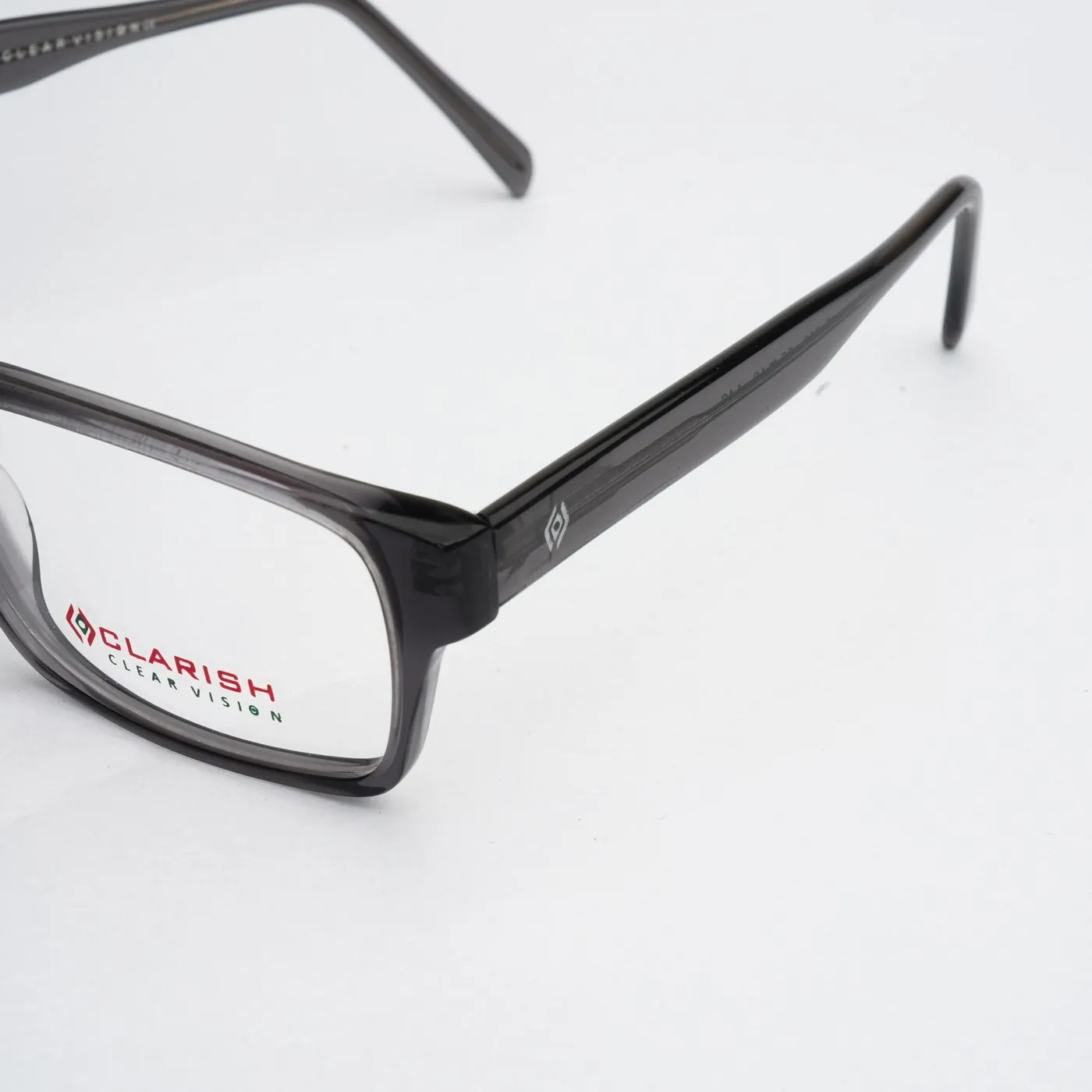
The sheet is chosen for colour, pattern and thickness before anything is cut.
Solid
A single colour through the full thickness, and the most predictable to reorder.
Laminated
Two or more colours are pressed into one sheet, so milling reveals them at different depths.
Graduated
The gradient sits inside the sheet, so polishing cannot remove it.
Crystal & transparent
The milled interior stays visible through the material, so it shows every tooling mark.
The other parts
The parts that are not acetate
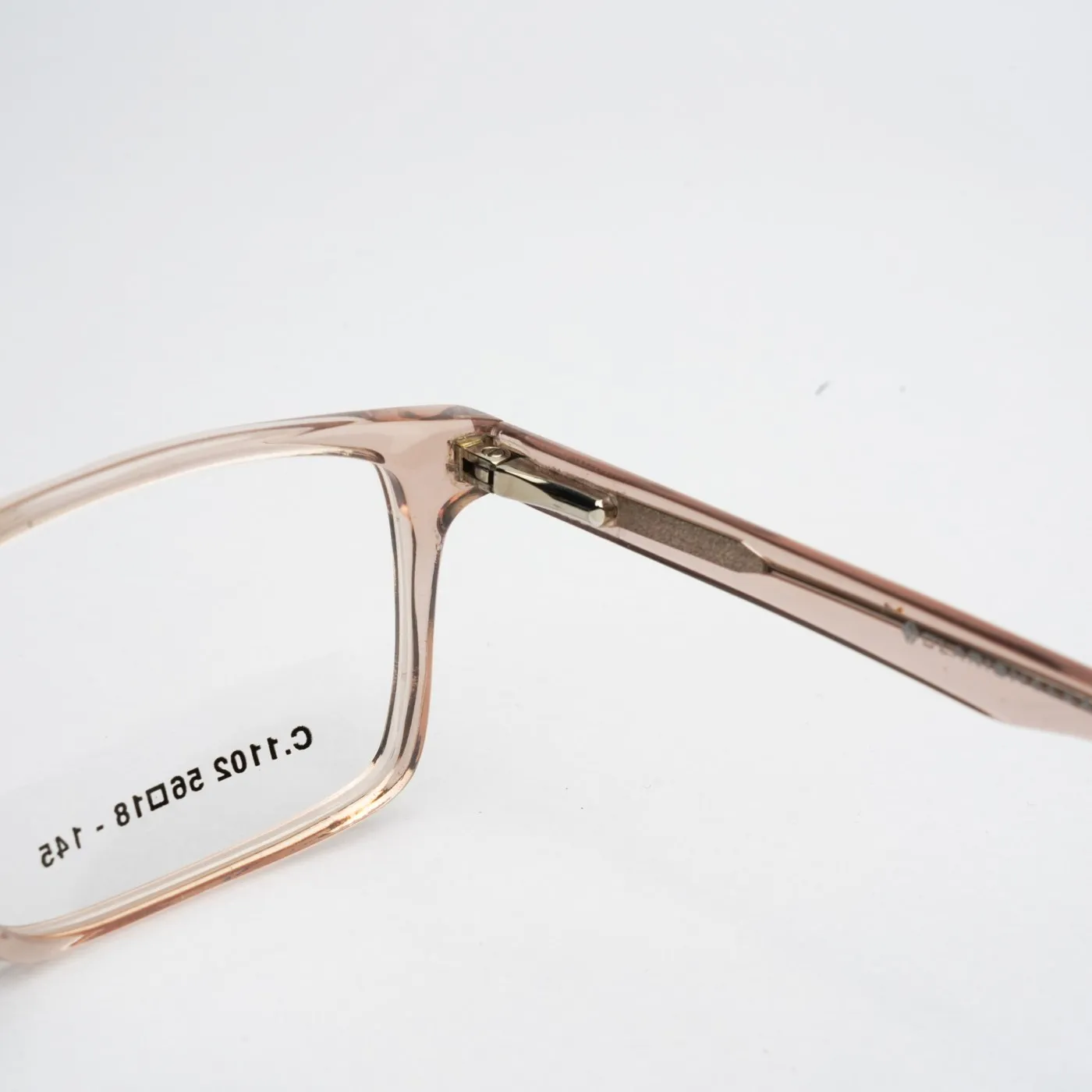
A frame is not one material. These parts decide how it holds up after it ships.
Temple core wires
A metal core keeps the arm holding an adjustment instead of drifting back.
Hinges
Specified per programme — it decides repairability and long-term feel.
Lens groove
The groove is cut to the shape your glazing lab will work to.
Straight answer
Working in other materials
We build around acetate, and that is what we publish. Need metal or a combination construction? Ask — we will tell you plainly if it is not something we do well.
Ask about a materialBefore you commit
See the material before you commit
Tell us the colours and constructions you are considering, and we will work through the options with you at sampling stage — before anything goes to production.